
shell
ผู้เยี่ยมชม
benducket3211@gmail.com
Chongqing-Xinjiang-Europe Railway and Global Trade Connectivity: A New Era of Eurasian Logistics? (45 อ่าน)
3 มิ.ย. 2569 17:57
The Chongqing-Xinjiang-Europe Railway has emerged as one of the most significant transportation corridors connecting China with Europe. As a vital component of modern Eurasian logistics, this railway route has transformed international trade by providing a faster and more efficient alternative to traditional sea freight. Stretching across vast regions of Asia and Europe, the rail link plays a crucial role in enhancing economic cooperation, reducing transit times, and strengthening supply chain resilience.
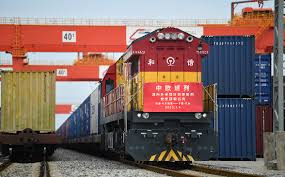
In recent years, the growing demand for cross-border transportation has increased the importance of rail freight services. The Chongqing-Xinjiang-Europe Railway has become a key driver of regional development, facilitating the movement of electronics, machinery, automotive parts, consumer goods, and industrial products between major economic centers. Its strategic location and operational efficiency continue to attract global attention from businesses seeking reliable international shipping solutions.
Chongqing-Xinjiang-Europe Railway and Eurasian Trade Expansion
The Chongqing-Xinjiang-Europe Railway connects the city of Chongqing in southwestern China with several important destinations across Europe through the Xinjiang region. The route passes through countries such as Kazakhstan, Russia, Belarus, and Poland before reaching European logistics hubs. This extensive railway network serves as an essential bridge between Asian manufacturing centers and European consumer markets.
One of the most notable advantages of the railway is its ability to significantly reduce transportation time. Compared with maritime shipping, which may require several weeks, rail freight services can deliver goods within a much shorter period. This efficiency makes the corridor particularly attractive for industries dealing with time-sensitive products, including electronics, technology equipment, and high-value manufactured goods.
The railway has also contributed to the growth of international trade by offering a balanced solution between cost and speed. While air freight remains the fastest option, its high costs often limit large-scale usage. Rail transport provides a practical middle ground, enabling companies to optimize logistics expenses while maintaining relatively quick delivery schedules.
As global supply chains become increasingly interconnected, the Chongqing-Xinjiang-Europe Railway supports trade diversification and reduces dependence on traditional shipping routes. Businesses can benefit from enhanced flexibility, improved inventory management, and greater access to international markets through this modern transportation corridor.
Economic Impact and Strategic Importance
The economic significance of the Chongqing-Xinjiang-Europe Railway extends far beyond transportation. It has become an important catalyst for regional development, attracting investment, promoting industrial growth, and encouraging international cooperation. Cities located along the route have experienced increased commercial activity, creating new opportunities for businesses and local economies.
For Chongqing, the railway has strengthened its position as a major logistics and manufacturing center. The city has evolved into a strategic gateway connecting inland China with Europe, enabling exporters to reach international markets more efficiently. This enhanced connectivity supports economic growth, job creation, and technological development throughout the region.
The Xinjiang segment of the railway serves as a critical transportation hub linking China with Central Asia and Europe. Its geographical location makes it an essential component of transcontinental trade networks. Improved infrastructure and logistics facilities along the route have further enhanced operational efficiency, contributing to smoother cargo movement and reduced transit delays.
The railway is also closely associated with broader initiatives aimed at strengthening international connectivity. Through enhanced transportation networks and trade partnerships, participating countries benefit from increased economic integration and expanded commercial opportunities. This collaborative approach has helped foster stronger business relationships across Eurasia while supporting long-term development objectives.
Future Development and Logistics Opportunities
The future prospects of the Chongqing-Xinjiang-Europe Railway remain highly promising as global trade continues to evolve. Growing demand for efficient supply chain solutions is expected to drive further investment in rail infrastructure, logistics technology, and transportation services. These developments will likely enhance the railway's competitiveness within the international freight market.
Advancements in digital logistics systems are improving cargo tracking, customs procedures, and operational coordination. The integration of smart technologies allows businesses to monitor shipments more effectively while increasing transparency throughout the transportation process. Such innovations contribute to higher service quality and greater customer confidence.
Environmental sustainability has also become an important factor influencing transportation decisions. Rail freight generally produces lower carbon emissions compared with air transportation, making it an attractive option for companies seeking greener logistics solutions. As sustainability goals become increasingly important across industries, the Chongqing-Xinjiang-Europe Railway is expected to play a larger role in supporting environmentally responsible trade practices.
The continued expansion of international trade corridors, logistics parks, and multimodal transportation networks will further strengthen the railway's strategic value. Enhanced cooperation among participating countries can facilitate smoother border procedures, improve infrastructure connectivity, and support long-term economic growth across the Eurasian region.
Conclusion
The Chongqing-Xinjiang-Europe Railway represents a transformative development in global transportation and international commerce. By connecting Chinese manufacturing centers with European markets through an efficient rail network, it has reshaped Eurasian trade dynamics and strengthened cross-border economic cooperation. Its advantages in speed, cost efficiency, and supply chain reliability continue to attract businesses seeking modern logistics solutions. As infrastructure investment, technological innovation, and international collaboration advance, the Chongqing-Xinjiang-Europe Railway is poised to remain a cornerstone of global trade connectivity and a driving force behind the future of Eurasian economic integration.
43.242.176.183
shell
ผู้เยี่ยมชม
benducket3211@gmail.com