
shell
ผู้เยี่ยมชม
benducket3211@gmail.com
Are You Choosing the Right Rivet for Stronger and More Reliable Fastening? (71 อ่าน)
26 ก.ค. 2569 16:48
Selecting the correct fastening solution is one of the most important steps in any manufacturing, construction, or repair project. Choosing the right rivet ensures that materials remain securely connected while maintaining structural integrity under different working conditions. Whether you are working with sheet metal, aluminum panels, steel structures, automotive components, or aerospace assemblies, the right rivet can significantly improve strength, durability, and long-term performance.
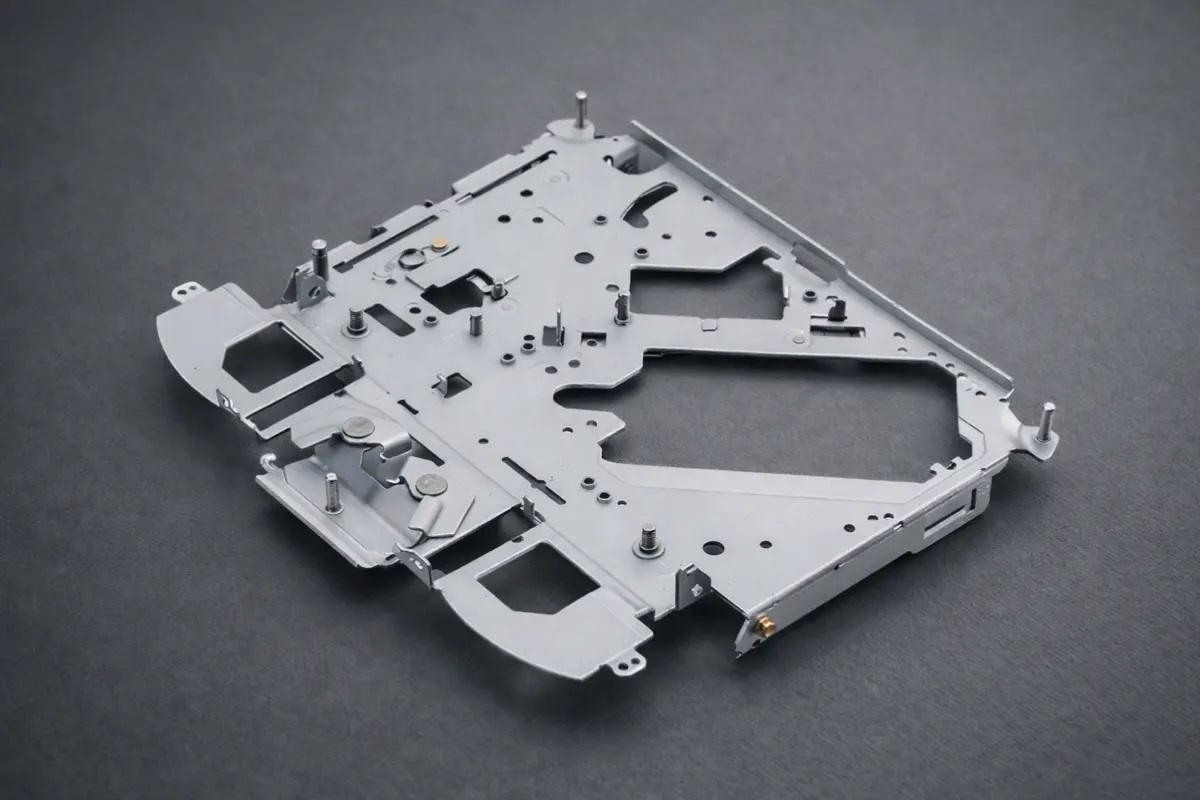
Modern industries rely on various rivet types because they provide permanent fastening without requiring access to both sides of a structure in every situation. Blind rivets, solid rivets, semi-tubular rivets, tubular rivets, and structural rivets each serve different purposes depending on material thickness, environmental conditions, and load requirements. Understanding these factors helps manufacturers and engineers make informed decisions while reducing maintenance costs and improving product reliability.
Choosing the right rivet also contributes to production efficiency. A properly selected rivet minimizes installation problems, reduces the likelihood of joint failure, and ensures consistent performance even in demanding environments. From industrial fabrication to DIY repair projects, selecting the appropriate rivet remains a key part of achieving high-quality results.
Material Compatibility and Rivet Performance
Material compatibility plays a major role when choosing the right rivet. Different rivet materials interact differently with the workpieces being joined, making proper selection essential for preventing corrosion, maintaining strength, and extending service life. Aluminum rivets are widely used because they are lightweight, corrosion-resistant, and easy to install. They work exceptionally well for aluminum panels, lightweight assemblies, and applications where reducing weight is important.
Steel rivets offer outstanding strength and durability, making them suitable for heavy-duty construction, machinery, transportation equipment, and structural fabrication. Stainless steel rivets provide excellent corrosion resistance and are often selected for marine environments, outdoor equipment, and industries exposed to moisture or chemicals. Copper rivets remain popular in leather goods, decorative projects, and electrical applications due to their conductivity and attractive appearance.
Another important factor involves matching rivet material with the base material. Using incompatible metals may create galvanic corrosion, reducing the lifespan of the joint. Manufacturers often recommend selecting rivets made from similar materials whenever possible to improve long-term durability.
Rivet diameter and grip range also influence fastening quality. A rivet that is too small may not provide enough holding power, while an oversized rivet may damage the surrounding material during installation. Proper sizing creates secure joints capable of handling vibration, tension, and repeated mechanical stress.
Installation methods further affect rivet performance. Manual rivet tools, pneumatic riveters, hydraulic systems, and automated assembly equipment all require rivets designed for their specific installation process. Matching the rivet type with the available installation equipment improves productivity while maintaining consistent fastening quality.
Application Requirements and Long-Term Reliability
Every fastening project presents unique challenges, making application-specific selection an essential part of choosing the right rivet. Blind rivets are commonly used when access is available from only one side of the material. These rivets simplify installation while delivering reliable fastening in automotive manufacturing, HVAC systems, metal fabrication, and household appliances.
Solid rivets remain the preferred choice for aircraft manufacturing and heavy structural applications because they provide exceptional shear strength and fatigue resistance. Semi-tubular rivets reduce installation force while maintaining secure connections, making them ideal for consumer products, furniture, and mechanical assemblies. Structural rivets are designed to withstand high loads, vibration, and demanding environmental conditions commonly found in transportation and industrial equipment.
Environmental exposure also affects rivet selection. Outdoor applications require corrosion-resistant materials capable of withstanding rain, humidity, saltwater, and temperature fluctuations. High-temperature environments demand rivets that retain mechanical strength even under continuous heat exposure. Chemical processing facilities often require stainless steel or specialized alloy rivets to resist aggressive substances.
Mechanical load requirements should never be overlooked. Engineers evaluate tensile strength, shear strength, vibration resistance, and fatigue performance before selecting fastening components. Heavy machinery, bridges, aircraft, and transportation equipment require rivets capable of maintaining structural integrity despite continuous movement and dynamic loading.
Manufacturing efficiency represents another important consideration. Automated production lines benefit from rivets specifically designed for high-speed installation, reducing assembly time while maintaining consistent quality. Selecting suitable industrial rivets contributes to lower production costs, improved product consistency, and greater customer satisfaction.
Reliable Fastening Through Proper Rivet Selection
Successful fastening depends on careful planning, proper engineering, and selecting components that match the intended application. Choosing the right rivet involves evaluating material compatibility, rivet design, environmental exposure, installation method, mechanical loading, and long-term performance requirements. When these factors are considered together, manufacturers and fabricators achieve stronger joints, greater durability, and improved operational reliability.
The growing demand for lightweight structures, corrosion-resistant materials, and efficient manufacturing continues to increase the importance of proper rivet selection across multiple industries. Construction companies, automotive manufacturers, aerospace engineers, metal fabricators, and industrial equipment producers all rely on carefully selected fastening systems to maintain product quality and structural safety.
Understanding the differences between aluminum rivets, stainless steel rivets, blind rivets, structural rivets, and solid rivets enables professionals to select the most suitable fastening solution for every project. Proper rivet sizing, installation, and maintenance further improve performance while reducing repair costs and extending product lifespan.
Conclusion
Choosing the right rivet is far more than selecting a simple fastener. It requires balancing material compatibility, load capacity, environmental resistance, installation requirements, and long-term durability to create secure and dependable joints. Whether working in construction, aerospace, automotive manufacturing, or general fabrication, the correct rivet improves safety, enhances structural integrity, and increases the overall lifespan of assembled products. By carefully evaluating project requirements and selecting the appropriate rivet type, professionals can achieve reliable fastening solutions that deliver consistent performance for years to come.
43.242.176.24
shell
ผู้เยี่ยมชม
benducket3211@gmail.com