
shell
ผู้เยี่ยมชม
benducket3211@gmail.com
Style and Tendances: How Can Modern Fashion and Lifestyle Trends Inspire Your Everyday Style? (8 อ่าน)
23 ต.ค. 2569 20:24
Style and tendances have become important parts of modern life, influencing the way people dress, decorate their homes, express their personalities, and make everyday choices. In a world where fashion and lifestyle trends change constantly, staying informed about the latest styles can help people discover new ideas, develop their personal identities, and make confident decisions. From contemporary clothing and timeless accessories to beauty routines and modern interior design, Style and tendances cover a wide range of interests that shape everyday experiences.
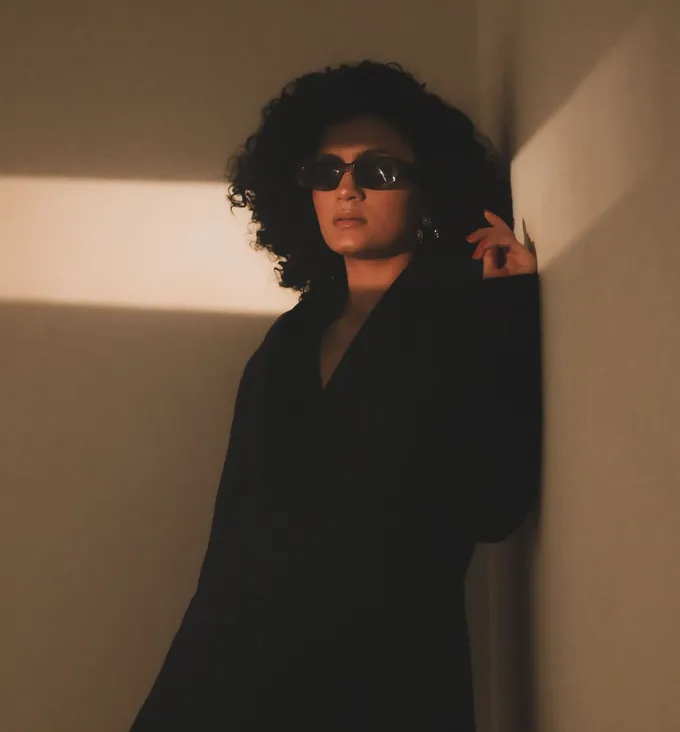
The growing popularity of digital platforms, fashion blogs, and social media has made it easier than ever to discover new trends. People can explore international fashion collections, learn about emerging designers, and find inspiration from different cultures without leaving their homes. However, following trends does not necessarily mean changing an entire wardrobe or purchasing every new product. The real value of modern style lies in understanding personal preferences and choosing trends that complement individual needs, lifestyles, and budgets.
Style and tendances also reflect broader cultural changes, including growing interest in sustainability, individuality, comfort, and responsible consumption. These developments have encouraged consumers to think more carefully about the clothes they wear, the products they purchase, and the way they present themselves. By combining current inspiration with personal creativity, anyone can develop a distinctive style that remains attractive beyond temporary trends.
The Growing Influence of Style and Tendances
Fashion trends influence how people express themselves and interact with the world around them. Clothing, footwear, accessories, and personal grooming can communicate personality, confidence, and creativity. While traditional fashion magazines once played a major role in determining popular styles, digital media now allows trends to spread quickly across countries and communities.
Style and tendances are no longer limited to luxury fashion houses or professional designers. Everyday consumers can discover affordable outfit ideas, compare different clothing styles, and learn how to create fashionable looks using items they already own. Online fashion communities also encourage people to experiment with colors, fabrics, patterns, and silhouettes that suit their individual tastes.
Another important development is the growing appreciation of personal style. Instead of following every seasonal trend, many people prefer to create wardrobes that combine timeless essentials with carefully selected contemporary pieces. Classic shirts, well-fitted trousers, comfortable footwear, and versatile jackets can provide a foundation for numerous outfits. Trend-inspired accessories or seasonal colors can then introduce variety without requiring a complete wardrobe transformation.
Modern fashion also places greater emphasis on comfort and practicality. Casual clothing, relaxed tailoring, versatile sneakers, and adaptable everyday outfits have become popular choices for people balancing work, education, travel, and social activities. These styles demonstrate that fashionable clothing does not need to sacrifice comfort or functionality.
Beauty and lifestyle trends are also closely connected to fashion. Skincare routines, minimalist makeup, natural hairstyles, and carefully selected accessories contribute to a complete personal appearance. By exploring different approaches to beauty and self-expression, individuals can discover styles that feel authentic rather than simply copying popular online personalities.
Modern Lifestyle Trends and Sustainable Fashion
One of the most significant developments in contemporary style and tendances is the movement toward sustainability. Consumers are increasingly interested in understanding where their clothing comes from, how products are manufactured, and how long purchased items are likely to last. This awareness has encouraged interest in durable materials, responsible production, secondhand shopping, and more thoughtful purchasing habits.
Sustainable fashion offers an alternative to constantly replacing clothing with the latest trends. Investing in well-made garments that can be worn across different seasons helps reduce unnecessary consumption while creating a more practical wardrobe. Neutral colors, classic designs, and adaptable clothing pieces make it easier to combine individual items in different ways.
Secondhand fashion has also gained attention among consumers seeking affordable and distinctive clothing. Vintage jackets, classic denim, retro accessories, and previously owned designer pieces can introduce personality into an outfit. Shopping through resale platforms or local secondhand stores allows people to explore different aesthetics while potentially extending the useful life of existing products.
Minimalism is another lifestyle trend influencing modern fashion. A minimalist wardrobe focuses on simplicity, quality, and versatility rather than excessive variety. By selecting clothing that fits well and coordinates easily, individuals can spend less time deciding what to wear and more time enjoying their daily activities. This approach is particularly useful for students, professionals, and travelers who need practical clothing for different situations.
Technology has also transformed the way people discover and purchase fashion products. Online stores, virtual styling tools, personalized recommendations, and digital fashion publications provide convenient access to new ideas. Consumers can compare styles, explore different brands, and research product quality before making purchasing decisions. Fashion creators and lifestyle bloggers further contribute to this environment by demonstrating how clothing can be styled for different occasions.
Despite these developments, it is important to remember that not every popular trend suits every person. Individual body proportions, climate, daily routines, cultural preferences, and financial circumstances all influence clothing choices. The most successful approach to style and tendances combines awareness of current developments with practical judgment and personal confidence.
Building a Personal Style That Lasts
Developing a personal style requires more than purchasing fashionable products. It involves understanding individual preferences, selecting suitable clothing, and creating a consistent appearance that feels comfortable in different settings. Exploring fashion inspiration can help people identify preferred colors, favorite silhouettes, and clothing combinations that reflect their personalities.
A useful starting point is evaluating the existing wardrobe. Clothing that fits properly, feels comfortable, and suits everyday activities should form the foundation of a personal style. Before buying new items, individuals can identify gaps in their wardrobes and determine which additions would provide the greatest value. This method helps prevent unnecessary purchases and encourages more thoughtful shopping.
Color coordination can also make everyday styling easier. Neutral shades such as black, white, beige, gray, and navy can be combined with a wide variety of other colors. Adding a seasonal shade or distinctive accessory can create visual interest without making an outfit difficult to coordinate. Experimenting with textures and proportions can further improve an appearance while allowing personal creativity.
Accessories are another effective way to explore current fashion trends. Belts, handbags, watches, scarves, sunglasses, and jewelry can transform simple outfits into more distinctive looks. Rather than purchasing numerous accessories, choosing a few versatile pieces can provide greater flexibility and help maintain a balanced appearance.
Style and tendances also extend beyond clothing into interior design, travel, wellness, and everyday living. Modern home decor often emphasizes functional furniture, natural materials, comfortable lighting, and uncluttered spaces. Similarly, lifestyle trends increasingly celebrate experiences, personal well-being, and activities that support a balanced routine.
These connections demonstrate that style is not limited to external appearance. It can influence how people organize their environments, choose products, and express their values. A thoughtful approach to personal style allows individuals to combine attractive design with comfort, practicality, and sustainability.
Following fashion blogs and lifestyle publications can provide ongoing inspiration, but it is equally important to evaluate trends before adopting them. A style that looks appealing in a photograph might not suit a person's daily routine or local climate. Trying different combinations, prioritizing comfort, and choosing quality over quantity can lead to more satisfying long-term results.
Conclusion
Style and tendances continue to influence modern fashion, personal expression, beauty, and lifestyle choices. From contemporary clothing and minimalist wardrobes to sustainable shopping and digital fashion inspiration, current trends provide countless opportunities to discover new ideas and develop an individual identity. Their greatest value lies in helping people explore possibilities rather than encouraging them to follow every passing fashion movement.
Building a distinctive personal style begins with understanding individual preferences, choosing comfortable and versatile clothing, and making thoughtful purchasing decisions. By combining timeless essentials with selected modern trends, consumers can create attractive outfits that suit their lifestyles and budgets. Sustainable fashion, creative accessories, and practical styling techniques further demonstrate that looking fashionable does not require excessive spending or constant wardrobe changes.
43.242.176.49
shell
ผู้เยี่ยมชม
benducket3211@gmail.com