
stiltsrrhe
ผู้เยี่ยมชม
stiltsstilts@outlook.com
jumping stilts (4 อ่าน)
28 ต.ค. 2569 17:49
The Complete Guide to jumping stilts: Benefits, Tips, and How to Get Started
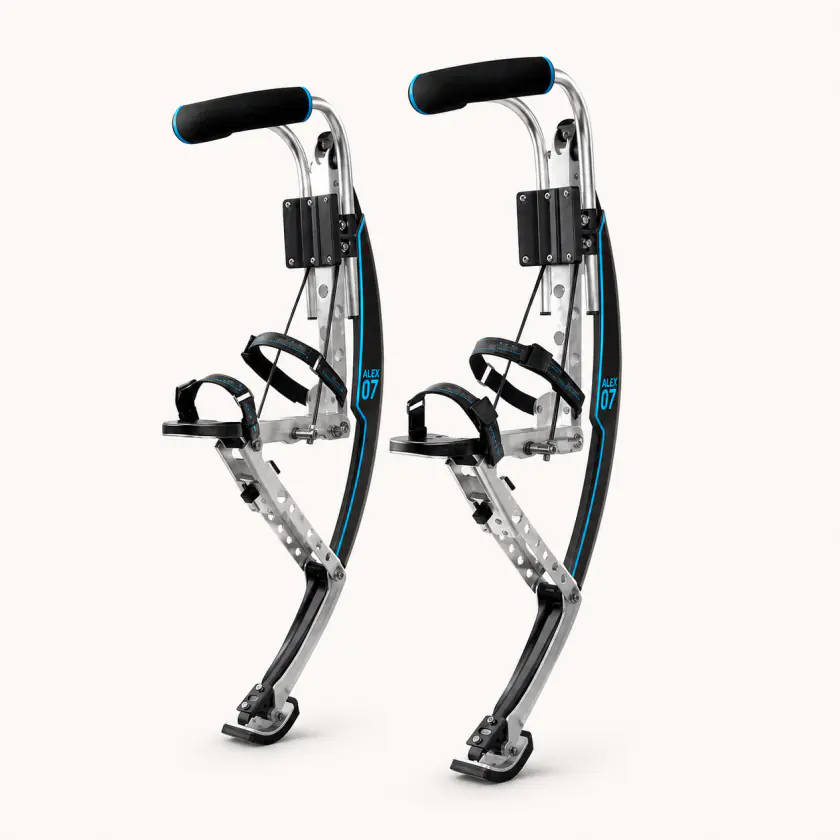
Jumping stilts have exploded in popularity among fitness enthusiasts, thrill-seekers, and performers. Combining elements of running, jumping, and acrobatics, they offer a unique way to exercise, have fun, and challenge your limits. This guide explains what jumping stilts are, how they work, their benefits, and how to use them safely.
---
## What Are Jumping Stilts?
Jumping stilts—also known as power stilts, spring stilts, or bouncy stilts—are special boots mounted on curved springs that strap to your lower legs. They allow you to:
- Run with longer, faster strides
- Jump much higher than normal
- Perform tricks and acrobatic movements
They’re commonly used for:
- Extreme sports and freestyle jumping
- Fitness and cardio workouts
- Stage shows and street performances
- Cosplay and costume enhancement
---
## How Do Skyrunner Jumping Stilts DE Work?
Jumping stilts use:
- **Fiberglass or carbon-fiber springs**: Store and release energy when you step or jump.
- **Boots and bindings**: Secure your feet and lower legs to the stilts.
- **Foot platforms and rubber feet**: Provide contact with the ground and traction.
- **Calf and knee supports**: Help stabilize your legs.
As you step down, the spring compresses, storing energy. When you push off, that stored energy is released, propelling you upwards or forwards.
---
## Key Benefits of Using Jumping Stilts
### 1. Cardio and Fat-Burning Workout
Jumping stilts provide high-intensity cardio:
- Burns calories quickly
- Improves heart and lung capacity
- Builds endurance in a fun way, reducing workout boredom
### 2. Strength and Muscle Toning
Regular use targets:
- Calves, hamstrings, quads, and glutes
- Core and lower back (for balance)
- Stabilizer muscles in ankles and hips
### 3. Balance, Coordination, and Agility
Because you’re higher off the ground and moving dynamically, jumping stilts help improve:
- Overall balance
- Reaction time
- Motor coordination
### 4. Fun and Motivation
They feel like a mix of trampoline, running, and parkour:
- Great for people who dislike traditional exercise
- Suitable for outdoor parks, open streets, and fields
- Highly engaging for both kids (with supervision) and adults
---
## Are Jumping Stilts Safe?
Jumping stilts can be used safely when you:
- Follow proper learning progressions
- Wear suitable protective gear
- Practice in a safe environment
However, they are an extreme-sport device, not a toy. Common risks include:
- Falls when mounting or dismounting
- Ankle or knee twists from poor landings
- Collisions if used in crowded areas
If you have knee, ankle, back, or balance problems, consult a healthcare professional before starting.
---
## Essential Safety Gear
Use the following every time you practice:
- **Helmet** (bicycle or skate-style, with good coverage)
- **Wrist guards**
- **Knee pads**
- **Elbow pads**
- **Gloves** (for grip and fall protection)
- Optional: **padded shorts** or hip protection
Avoid loose clothing that can catch in the stilts.
---
## How to Choose the Right Jumping Stilts
### 1. Weight Rating
Jumping stilts come with specific weight ranges. Choosing the correct rating is crucial:
- Too low: Springs may overstress and wear out quickly.
- Too high: You’ll struggle to compress the springs and get minimal bounce.
Pick a model rated for your **actual body weight** (not just your target weight).
### 2. Intended Use
Consider how you plan to use them:
- **Beginner / fitness**: Look for stable, durable models with good safety features.
- **Freestyle / tricks**: Look for lighter models with responsive springs and strong frames.
- **Performance / cosplay**: Consider appearance, height, and comfort for long periods.
### 3. Adjustability and Comfort
Look for:
- Adjustable calf and knee straps
- Comfortable, supportive boots
- Quality padding around contact points
### 4. Build Quality
Choose reputable brands with:
- Strong aluminum or steel frames
- Tested fiberglass or carbon springs
- Replaceable rubber feet and parts
Check user reviews to see how they hold up over time.
---
## Getting Started: Step-by-Step for Beginners
### 1. Prepare Your Practice Area
Use:
- Flat, even ground
- Open space free of obstacles
- Grass or rubberized surfaces (softer than concrete) for early practice
Avoid:
- Wet or slippery surfaces
- Steep slopes
- Crowded sidewalks
### 2. Put On Your Safety Gear First
Helmet, pads, gloves—put everything on before you strap into the stilts.
### 3. Mounting the Stilts
- Sit on a sturdy bench or chair.
- Strap one stilt to your leg, ensuring snug but comfortable fit.
- Strap on the second stilt.
- Use a railing, wall, or a friend for support when you first stand.
### 4. Standing and Balancing
- Stand near a wall or rail.
- Keep feet shoulder-width apart.
- Slightly bend your knees and engage your core.
- Practice shifting weight from foot to foot without moving.
### 5. First Steps
- Start with **small, controlled steps** while holding onto support.
- Keep your gaze forward, not at your feet.
- Take short sessions to avoid fatigue (10–20 minutes at first).
### 6. Basic Walking and Light Bouncing
Once you can walk unaided:
- Practice smooth walking, increasing speed gradually.
- Add gentle bounces to feel the spring response.
- Focus on soft, controlled landings with bent knees.
---
## Progressing to Running and Jumping
When you’re comfortable walking and bouncing:
### Running
- Increase speed slowly.
- Use natural arm swings to maintain balance.
- Land mid-foot, not on the very front or back of the stilt.
### Jumping
- Start with **small jumps** in place.
- Bend knees, push down, and let the springs rebound you upward.
- Practice safe landings: knees bent, feet shoulder-width apart.
Only try higher jumps and directional jumps when small ones feel easy and controlled.
---https://www.ekdarun.com/forum/topic/245281/jumping-stilts
## Freestyle Tricks and Advanced Moves
Once you have strong control, you can explore:
- **High jumps** (over small obstacles, boxes, low rails)
- **180° and 360° spins**
- **Small drops** from low platforms
Always progress gradually:
- Learn in a safe area with a spotter if possible.
- Master lower-height versions of tricks before going bigger.
- Never attempt flips or advanced stunts without professional coaching and proper mats.
---
## Maintenance and Care
To keep your jumping stilts safe and responsive:
- Inspect bolts and screws regularly; tighten as needed.
- Check springs for cracks or delamination.
- Replace worn rubber feet to maintain grip.
- Wipe down dirt and moisture after use.
Store them in a cool, dry place away from direct sunlight to protect the springs and straps.
---
## Frequently Asked Questions About Jumping Stilts
### Are jumping stilts hard to learn?
Most people can:
- Stand and take supported steps on day one
- Walk independently within a few sessions
- Jog and perform light jumps after consistent practice
Balance and patience are more important than prior athletic skill.
### How high can you jump?
Depending on your weight, skill, and stilt model, jumps of **up to around 2 meters (6+ feet)** are possible for advanced users. Beginners should focus on small jumps until they build proper technique.
### Can kids use jumping stilts?
Yes, but:
- They must use **kid-specific models** with proper weight ratings.
- Adult supervision and full protective gear are essential.
- Sessions should be short and focused on basic balance and fun, not stunts.
### Are jumping stilts good exercise?
Yes. They offer:
- High-intensity cardio
- Lower-body and core strength-building
- Coordination and balance training
Because they’re fun, many people find them easier to stick with than traditional workouts.
---
## Tips for Safe, Long-Term Progress
- Warm up with dynamic stretches before every session.
- Increase your training time gradually to avoid joint strain.
- Stop immediately if you feel sharp pain or dizziness.
- Practice regularly—short, frequent sessions build skill faster than occasional long ones.
---
## Conclusion
Jumping stilts are a powerful mix of fitness tool and extreme-sport equipment. Used correctly, they:
- Deliver an effective full-body workout
- Improve balance, agility, and coordination
- Offer an exciting, adrenaline-filled way to move
By choosing the right pair, wearing proper safety gear, and progressing step by step, you can enjoy the thrill of running faster, jumping higher, and exploring a new dimension of movement.
61.221.116.28
stiltsrrhe
ผู้เยี่ยมชม
stiltsstilts@outlook.com