
shell
ผู้เยี่ยมชม
benducket3211@gmail.com
How Can Classroom AV Equipment Transform Modern Education and Improve Student Learning? (21 อ่าน)
29 ต.ค. 2569 13:35
Education is changing rapidly as schools, colleges, and universities adopt modern technology to improve teaching and learning. One of the most important developments is the use of classroom AV equipment, which helps teachers deliver lessons through clear audio, high-quality visuals, and interactive digital tools. Audio-visual technology makes lessons more engaging and allows students to understand complex subjects through presentations, videos, demonstrations, and digital learning materials.
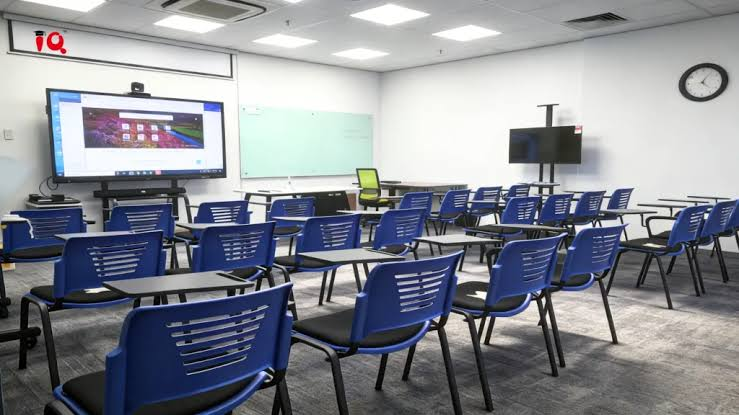
Classroom AV equipment includes projectors, interactive displays, classroom speakers, microphones, document cameras, video conferencing systems, and other educational technology solutions. These tools support traditional teaching methods while introducing more flexible and interactive learning experiences. Whether a classroom accommodates a small group of students or a large lecture hall, the right audio-visual setup can improve communication and create a more productive learning environment.
Modern classroom technology also supports hybrid education, allowing teachers to connect with remote students and share educational content online. As digital learning continues to grow, investing in reliable classroom audio-visual systems has become increasingly valuable for educational institutions seeking better teaching outcomes and improved student participation.
Essential Classroom AV Equipment for Modern Learning
Classroom AV equipment includes several types of technology that work together to support effective communication and knowledge sharing. Each component serves a different purpose, and selecting suitable devices depends on classroom size, teaching requirements, available infrastructure, and institutional budgets.
Projectors remain a popular choice for displaying presentations, educational videos, diagrams, and digital documents on large screens. They allow teachers to present information to an entire classroom without requiring students to gather around individual computer screens. Modern projectors offer improved brightness, better resolution, and convenient connectivity with laptops and other digital devices. Schools can also consider large-format displays when they need consistent image quality without controlling room lighting as carefully.
Interactive displays and smart boards provide another important classroom technology solution. Unlike traditional whiteboards, interactive screens allow teachers to write digital notes, highlight important information, open educational applications, and manipulate images directly on the display. Students can participate in activities, solve problems, and collaborate during lessons. These features make interactive classroom displays especially useful for science, mathematics, language learning, and group discussions.
Audio equipment is equally important because students must hear lessons clearly to understand the information being presented. Classroom speakers distribute sound throughout the room, while wireless microphones allow teachers to speak comfortably without raising their voices. Ceiling microphones and specialized audio systems can improve communication in larger teaching spaces. A properly designed classroom sound system reduces listening difficulties and supports a more comfortable learning experience.
Document cameras provide another practical solution for teachers who need to display printed materials, books, scientific samples, handwritten notes, or physical demonstrations. Instead of asking students to gather around a desk, instructors can project the material onto a large screen. This approach is useful for laboratory demonstrations, drawing lessons, technical subjects, and step-by-step explanations.
Video conferencing equipment has also become an essential part of modern education. Cameras, microphones, displays, and conferencing software allow teachers to conduct remote lessons, invite guest speakers, and connect students from different locations. These systems are particularly beneficial for institutions offering distance learning, online classes, and hybrid educational programs.
Benefits of Classroom AV Equipment in Education
The primary benefit of classroom AV equipment is its ability to make teaching more engaging and understandable. Students have different learning preferences, and presenting information through multiple formats can help instructors communicate ideas more effectively. For example, a teacher explaining a scientific process can combine spoken explanations with diagrams, animations, and videos. This approach can make difficult concepts easier to follow than relying entirely on spoken instruction or written notes.
Audio-visual technology also improves classroom participation. Interactive screens, digital quizzes, educational videos, and collaborative applications encourage students to become active participants instead of simply listening to lectures. When learners can respond to questions, interact with digital content, and work together on activities, lessons can become more interesting and memorable.
Another advantage is improved communication. In large classrooms, students sitting at the back may struggle to hear instructors or see small details on traditional teaching materials. Properly installed classroom speakers, microphones, projectors, and large displays help address these problems. Clear communication supports concentration and allows teachers to deliver lessons more confidently.
Classroom AV systems can also save teaching time. Digital presentations allow instructors to organize materials before lessons, while interactive displays make it easier to annotate documents and explain concepts during class. Teachers can switch between presentations, videos, online resources, and written notes without repeatedly changing physical teaching materials. Some systems also support recording lessons, enabling students to review important information when preparing for examinations.
Accessibility is another important consideration. Captions, screen magnification, adjustable audio levels, and compatible assistive technologies can help accommodate students with different learning requirements. Educational institutions should consider accessibility when selecting classroom technology so that more students can participate comfortably.
Modern audio-visual systems additionally support collaboration between educational institutions, teachers, and students. Remote guest lectures, virtual classroom discussions, and online demonstrations provide learning opportunities that may not be possible within a traditional classroom. These capabilities make classroom AV equipment a valuable investment for institutions that want to expand their educational services.
Selecting and Maintaining the Right Classroom AV Systems
Choosing suitable classroom AV equipment requires careful planning. Educational institutions should first evaluate the size of each classroom, the number of students, the types of lessons delivered, and the technology already available. A small teaching room may need only a display, speakers, and a simple connection system, while a large lecture hall may require multiple displays, microphones, advanced audio processing, and integrated control equipment.
Display quality should match the classroom environment. Projectors need sufficient brightness and an appropriate projection surface, particularly in rooms with natural or artificial light. Interactive displays should provide enough screen space for students to read information from different seating positions. Institutions should also consider resolution, viewing angles, connection options, and compatibility with existing computers.
Connectivity is another essential factor. Classroom technology may need to support HDMI, USB, wireless screen sharing, network connections, and video conferencing applications. Selecting equipment with suitable connectivity helps teachers switch between devices without unnecessary delays. A centralized AV control system can simplify daily operation by allowing instructors to manage displays, audio, and connected devices from one interface.
Budget planning should include more than the initial purchase price. Installation, mounting, cabling, software licenses, maintenance, staff training, and future upgrades can influence the overall cost. Schools should compare the long-term value of different solutions rather than selecting equipment based only on the lowest price. Reliable devices with suitable warranties and accessible technical support may reduce interruptions and unexpected expenses.
Proper installation is essential for achieving good results. Speakers must be positioned to provide consistent sound coverage, displays must remain visible from different seating areas, and cables should be organized to prevent accidents. Wireless systems should also be tested for connection stability and interference. Institutions may benefit from professional AV installation services when designing complex classrooms or integrating multiple technologies.
Regular maintenance helps classroom AV equipment remain dependable. Teachers and technical staff should check connections, test microphones, clean equipment according to manufacturer recommendations, and install necessary software updates. Batteries for wireless microphones and remote controls should be monitored, while projectors and ventilation systems should receive appropriate maintenance. Staff training is equally important because even advanced equipment can become difficult to use when instructors are unfamiliar with its controls.
Educational institutions should also consider data privacy and cybersecurity when using connected classroom devices. Video conferencing platforms, recording systems, and network-enabled displays may handle sensitive educational information. Appropriate access controls, software updates, and institutional policies help protect students and teachers while supporting responsible technology use.
Conclusion
Classroom AV equipment plays an important role in modern education by improving communication, supporting interactive lessons, and making digital learning resources more accessible. Projectors, interactive displays, speakers, microphones, document cameras, and video conferencing systems each contribute to a more effective teaching environment when selected and installed correctly.
The best classroom audio-visual solution depends on the institution's educational goals, classroom layout, technical requirements, and available budget. Careful planning, professional installation, regular maintenance, and proper staff training can help educational institutions achieve lasting value from their technology investments.
43.242.176.100
shell
ผู้เยี่ยมชม
benducket3211@gmail.com